Monday, March 31, 2014

Monday, 3/31 - Finish Act 4 of Macbeth?

Malcom and Macduff
  • P&P
  • Ladies and gents, let's try to finish Act 4 of Macbeth today. I'd really like to finish it by Wednesday so we can test on it on block. The test will be short, comprised of eleven quotes. Then we will move on to some comedy (glory!).
  • There is no J12; you must, however, finish reading the final section of Leithart and take notes.
HW: Begin finishing the final Macbeth reading in Leithart and take notes of what you believe important.

Tuesday, March 25, 2014

Wednesday, 3/26 - In the good ol' days, the dead stayed dead!

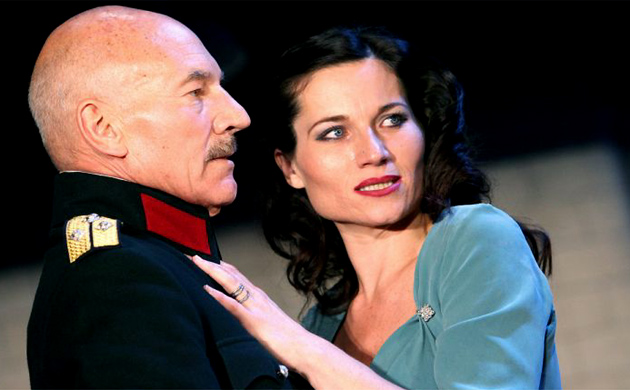
A truly scary LMB (and Patrick Stewart, of course)
  • P&P
  • Check seniors' J11
  • Let's see if we can get through the Banquo . . . I mean, the banquet.
HW: Juniors, finish J11 before we depart for lunch (no early release Thursday since seniors will be mousing around).

Tuesday, 3/25 - Ceremony

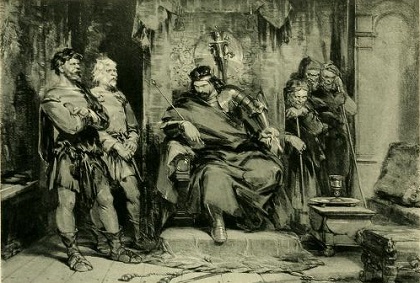
Macbeth meets with the murderers
  • P&P
  • Continue Act 3 Scene 1 - Macbeth meets the murderers
HW: Finish J11 (due tomorrow for seniors; juniors can work on it in class on Thursday ; )

Monday, March 24, 2014

Monday, 3/24 - The Milk of Human Kindness

  • P&P
  • Discuss J10
  • Begin Act 3
HW: (due Wednesday)

J11 - Macbeth: Acts 3-4

  1. What does MB mean by his “fruitless crown” and “barren scepter”?
  2. Shouldn’t MB be satisfied that he is now king? Why or why not? and how does this affect Banquo?
  3. What does the feast symbolize, and what makes a feast different from a common dinner?
  4. How does MB behave at the feast and why?
  5. What effect does MB’s behavior have on the feast, and how does this reflect the situation in Scotland?
  6. What does MB mean when he says, “Blood will have blood”?
  7. How do you know that MB does not intend to repent of his bloody course?
  8. How do the three apparitions link to the theme pertaining to equivocal communication?
  9. Why does Malcolm tell Mcduff how evil he (Malcolm) is?
  10. How does scene 3 highlight MB’s tyranny? (there are two ways)
 

Thursday, March 20, 2014

Block, 3/20 - Macbeth, a Gunpowder of a Play

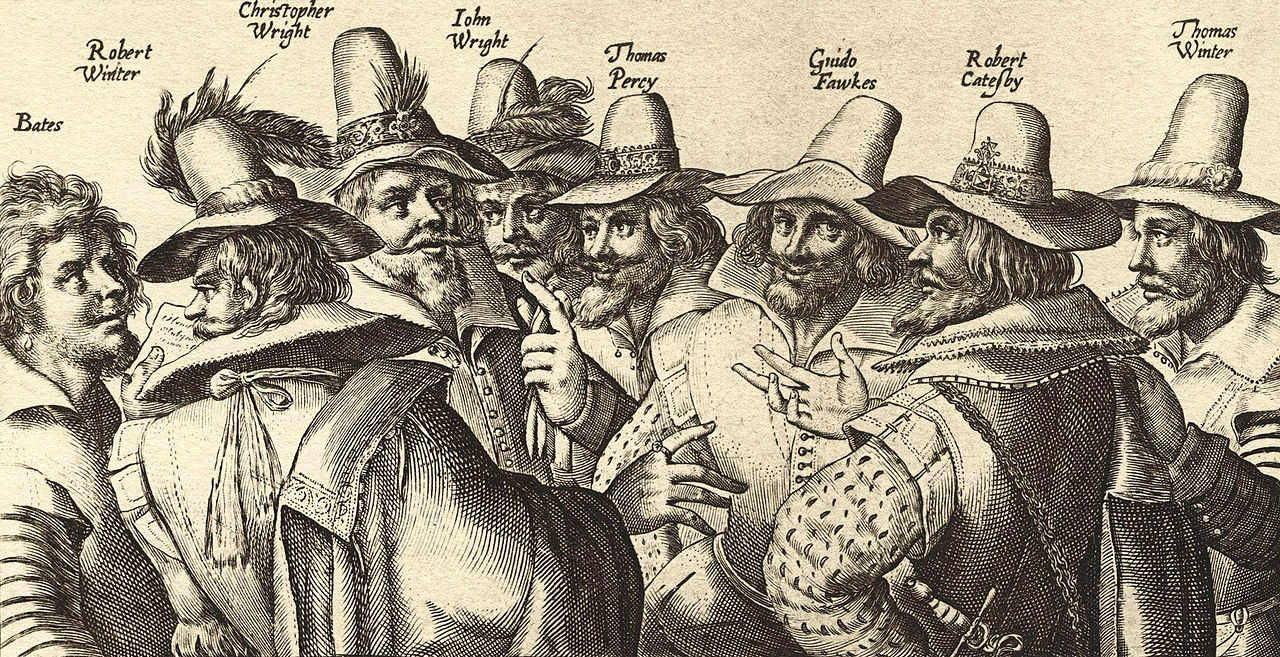
Gunpowder Plot Conspirators
  • P&P
  • Continue with Act 2
  • Begin J10 
HW: J10 (due Monday)

J10 - Macbeth: Acts 1.5-2.4
  1. Describe the biblical typology of Macbeth (MB) and Lady Macbeth (LMB). Who are they?
  2. What details link LMB to the weird sisters, the witches?
  3. What is important about both the location and the content of MB’s soliloquy?
  4. What are some of the consequences that attend the “life” of the wicked, the guilty?
  5. How do MB’s and LMB’s views of guilt differ?
  6. What is significant about the “knocking” that begins just after the murder?
  7. How does nature’s order reflect that of Scotland?
  8. How does MB first “gild” his deathly deed?
  9. Why do Duncan’s sons respond to the murder of their father in the way they do, and how might it be misinterpreted?
  10. Why would Shakespeare write a play in which the “climax” occurs in the second act? In other words, what does he intend to show happening during the remainder of the drama?

Thursday, March 13, 2014

Block - THICE and J9

  • P&P
  • THICE on Hamlet (and Julius Caesar)
HW: Read Leithart's intro and material on Macbeth. J9 is due Monday.

J9 - Macbeth: Act 1.1-4
  1. How does Shakespeare's drama change the historical particulars of Holinshed's Chronicle of Scottish History?
  2. What are the three spheres that suffer when one attacks “the proper order of things” (and give one example of each)?
  3. What are the two views of manhood that the play addresses?
  4. Is power inherently evil? Why or why not? What is its purpose?
  5. How does opening the play with witches serve to advance Shakespeare’s dramatic agenda (there are several answers)?
  6. What is the political situation in Scotland when the play opens?
  7. Explain Macdonwald’s—Thane of Cawdor—immense importance for introducing, foreshadowing, and foiling Macbeth’s character.
  8. Why are Macbeth’s first words important?
  9. What is Banquo’s reaction to the witches’ predictions?
  10. What effect does Duncan’s announcement—that Malcolm is his heir—have on Macbeth’s plans?

J10 - Macbeth: Acts 1.5-2.4
  1. Describe the biblical typology of Macbeth (MB) and Lady Macbeth (LMB). Who are they?
  2. What details link LMB to the weird sisters, the witches?
  3. What is important about both the location and the content of MB’s soliloquy?
  4. What are some of the consequences that attend the “life” of the wicked, the guilty?
  5. How do MB’s and LMB’s views of guilt differ?
  6. What is significant about the “knocking” that begins just after the murder?
  7. How does nature’s order reflect that of Scotland?
  8. How does MB first “gild” his deathly deed?
  9. Why do Duncan’s sons respond to the murder of their father in the way they do, and how might it be misinterpreted?
  10. Why would Shakespeare write a play in which the “climax” occurs in the second act? In other words, what does he intend to show happening during the remainder of the drama?

J11 - Macbeth: Acts 3-4
  1. What does MB mean by his “fruitless crown” and “barren scepter”?
  2. Shouldn’t MB be satisfied that he is now king? Why or why not? and how does this affect Banquo?
  3. What does the feast symbolize, and what makes a feast different from a common dinner?
  4. How does MB behave at the feast and why?
  5. What effect does MB’s behavior have on the feast, and how does this reflect the situation in Scotland?
  6. What does MB mean when he says, “Blood will have blood”?
  7. How do you know that MB does not intend to repent of his bloody course?
  8. How do the three apparitions link to the theme pertaining to equivocal communication?
  9. Why does Malcolm tell Mcduff how evil he (Malcolm) is?
  10. How does scene 3 highlight MB’s tyranny? (there are two ways)